
Removing barriers. Building resilience. Changing lives.
star* partners with grassroots rugby clubs across England and Wales to support young people facing adversity.
We remove barriers like transport, kit, and subscription costs, and we train coaches in trauma-aware approaches, so they understand that all behaviour is a form of communication. Together, we create truly inclusive spaces where young people and their families find trusted adults and the chance to belong.
60+ clubs | 1,000+ young people & families | England & Wales
Our Work
Get involved
-
Support us
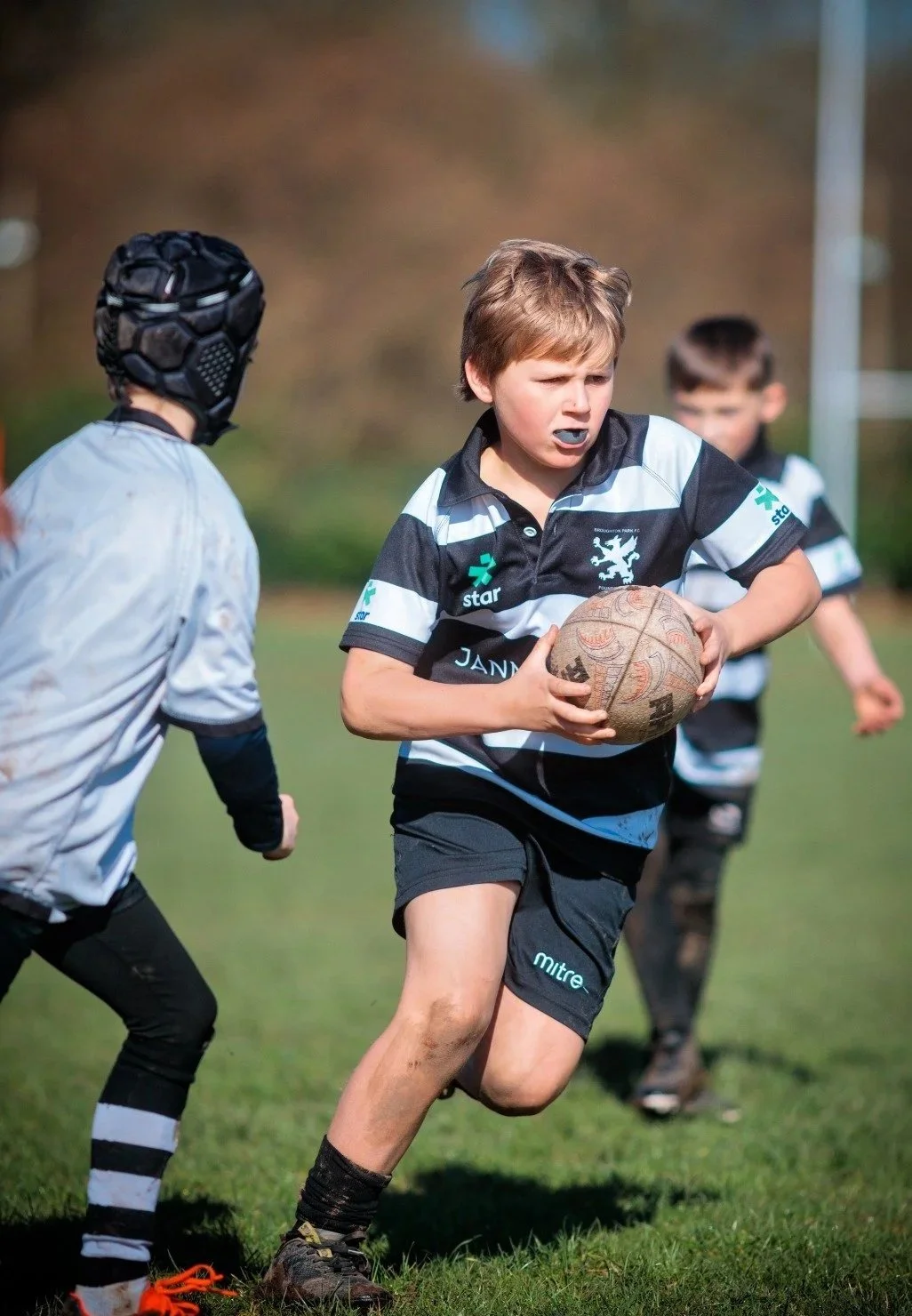
Our work transforming young lives through rugby would not be possible without the support of people like you.
By making a donation, taking on a fundraising challenge for star* or partnering with us you will be helping young people overcome the effects of adversity and reach their potential.
-

Refer a young person
Know a young person aged 5-18 who could benefit from star*?
We remove barriers to inclusive grassroots rugby and help young people experiencing adversity find where they belong.
-
Bring star* to your club
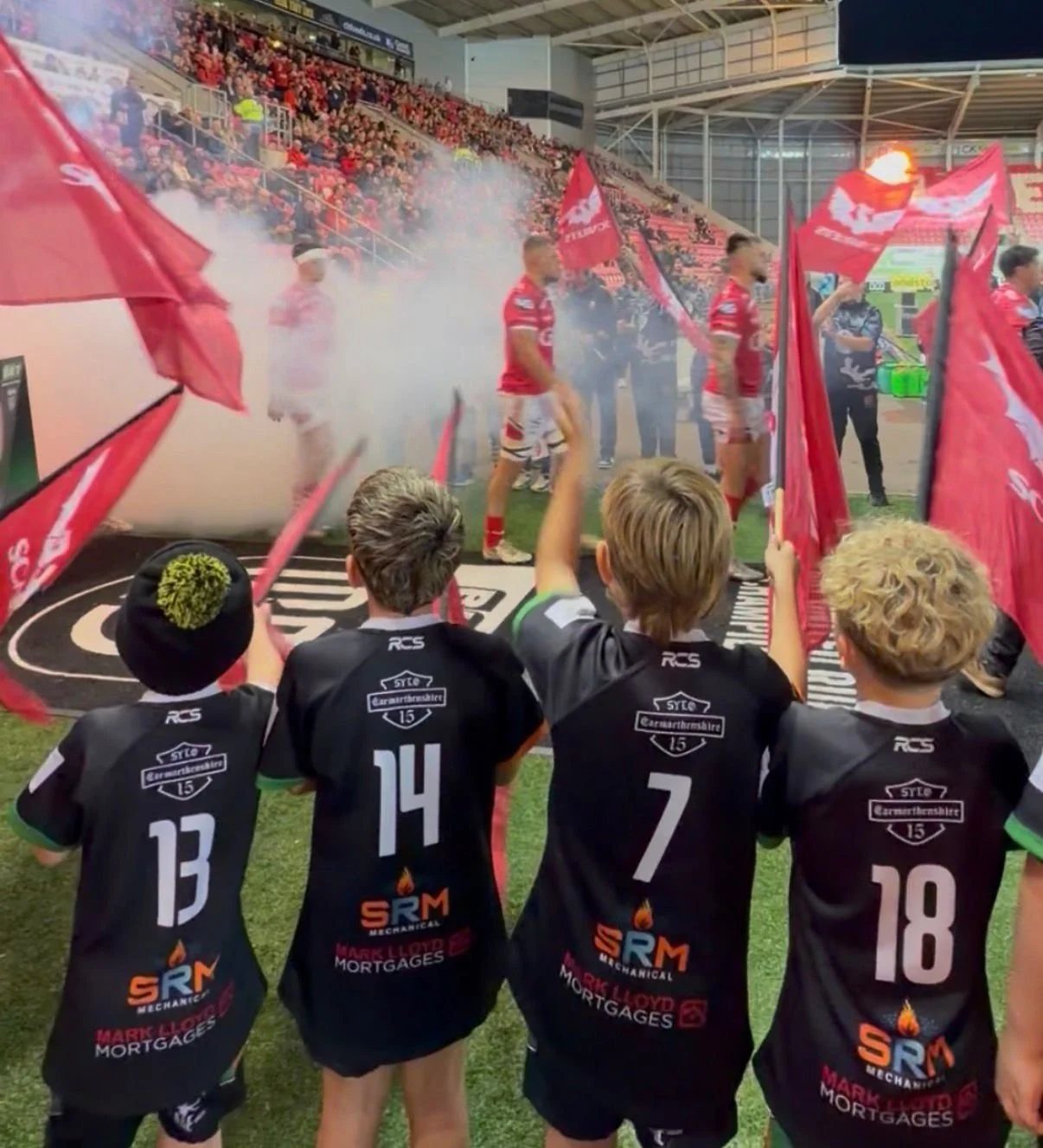
Welcome young people who haven’t had the opportunity to play before.
We provide trauma-aware training for your coaches and Regional Manager support to help your club grow.
Success Stories

Zlata
Zlata arrived in the UK having fled the war in Ukraine. A coach at the local star* club, invited the family to stay at their house as part of the Homes for Ukraine government scheme. The family’s daughter played rugby and was the same age as Zlata.
Zlata registered with star* and began to enjoy playing rugby, a sport she has never considered playing before. Zlata recently reported to the star* leadership that “rugby has helped her to make new friends, be active and healthy and to have a positive outlook”.

Max
Max is playing rugby at his local star* club, where he found belonging and a life-changing transformation. His difficult journey began with a rare kidney condition that meant he spent most of his childhood in hospital. When he joined the club, he was a nervous, distant, "angry young man" who struggled with emotional control.
Rugby provided a nurturing environment to channel his energy. The shift was dramatic: his attitude improved, and he now tells others to calm down. Max has become a dedicated "real character" within the squad, and the ultimate result, as his parent notes, is a "happy kid."